Tracing Service Desk Timelines to Certified Reel Audits Across Verified Handheld Platforms
Katja Günther · Jun 8, 2026
Tracing Service Desk Timelines to Certified Reel Audits Across Verified Handheld Platforms
Service desk operations in regulated digital gaming environments connect directly to certified reel audits through structured timelines that track player inquiries from initial contact through resolution and verification stages. These timelines record every interaction involving handheld platforms where slot mechanics undergo independent testing for compliance with jurisdictional standards. Data from regulatory bodies shows that support tickets often trigger deeper examinations of reel configurations when discrepancies arise in payout histories or game behavior logs.
Service Desk Timeline Structures in Mobile Gaming Contexts
Support teams log timestamps at each stage of a ticket lifecycle including receipt, categorization, escalation, and closure while noting device-specific details such as operating system versions and connection protocols. Observers note that these records become critical when handheld platforms display variations in reel spin outcomes that require cross-referencing against certification databases. Research from the Australian Communications and Media Authority indicates average resolution windows range from 24 to 72 hours for standard queries yet extend significantly when audits are initiated.
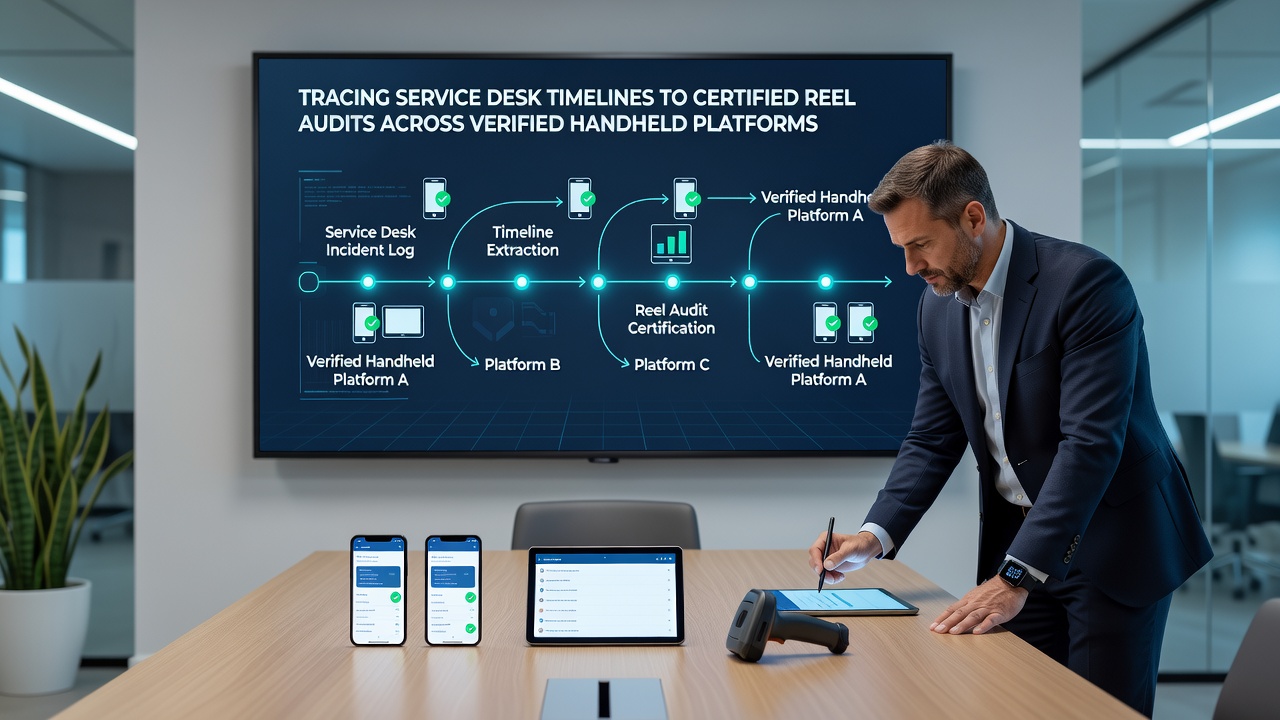
Integration points emerge when service desk software interfaces with audit management systems allowing automatic flagging of tickets that mention reel performance or payout anomalies. Those who've studied this process know that verification steps include matching user-reported events against server-side logs captured during live sessions on verified devices. The approach ensures traceability without disrupting ongoing gameplay across multiple handheld manufacturers.
Certified Reel Audit Procedures on Verified Platforms
Certified reel audits examine the mathematical models and random number generator outputs that determine symbol sequences on digital slot products. Testing laboratories validate these models against predefined parameters before platforms receive approval for distribution on handheld devices. Figures from the Nevada Gaming Control Board reveal that audits occur at regular intervals plus additional reviews following reported irregularities detected through service channels.
Handheld platforms undergo device-specific certification that accounts for hardware differences in processors and display rendering which can influence perceived reel behavior. Experts have observed that audit reports document both the core reel strips and any adaptive features tied to bonus rounds or progressive elements. When service desk timelines align with these reports investigators trace player complaints back to specific certification versions active during the reported period.

Connecting Timelines Across Multiple Verification Layers
Cross-platform verification requires mapping service desk entries to reel audit certificates through unique identifiers assigned during initial game certification. This mapping reveals patterns where clusters of similar tickets coincide with particular audit cycles or device firmware updates. Data indicates that regulatory reviews scheduled around June 2026 will introduce enhanced timestamp synchronization standards to reduce gaps between support records and audit documentation.
Industry reports from the European Gaming and Betting Association highlight how verified handheld ecosystems maintain separate audit trails for each jurisdiction yet share common data formats that facilitate timeline reconstruction. When discrepancies surface between player reports and certified reel parameters the combined timeline data helps determine whether issues stem from platform configuration or certification drift.
Practical Implementation Examples Across Regions
One documented case involved Canadian operators who aligned service desk systems with reel audit schedules after provincial regulators updated mobile gaming guidelines. The alignment reduced the time required to confirm compliance from weeks to days according to internal metrics shared with oversight bodies. Another instance in an Asian market demonstrated how real-time timeline feeds allowed auditors to isolate reel certification versions active on specific handheld models during high-volume periods.
These implementations rely on secure data exchanges between support platforms and testing laboratories while preserving player privacy through anonymized ticket summaries. Regulatory frameworks in multiple jurisdictions now require retention of timeline data for minimum periods that match audit record-keeping mandates.
Conclusion
Tracing service desk timelines to certified reel audits establishes accountability mechanisms across verified handheld platforms in regulated gaming environments. The process combines chronological support records with independent certification outputs to maintain consistent standards as technology and regulatory requirements evolve. Implementation of updated protocols ahead of June 2026 continues to refine these connections while supporting operational transparency for all stakeholders involved in mobile platform oversight.