The Synchronization of Assistance Channels with Transaction Networks Across Wireless Gaming Platforms
Katja Günther · Jul 27, 2026
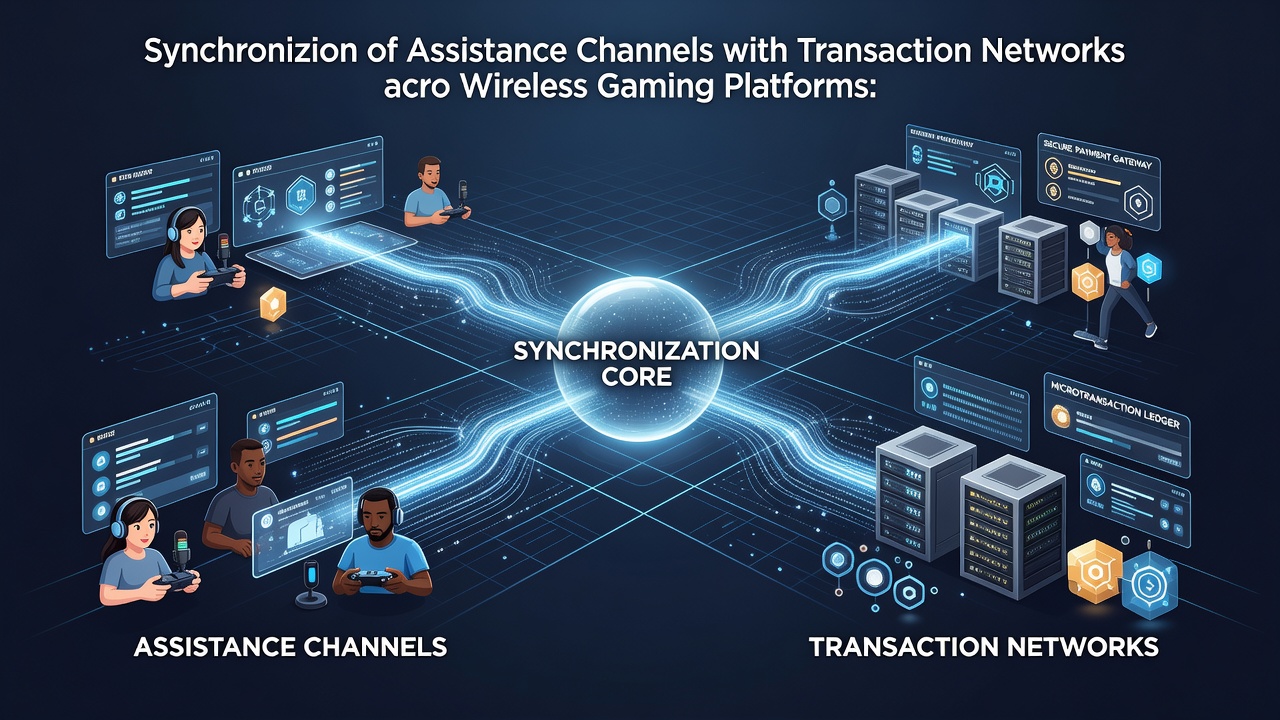
The Synchronization of Assistance Channels with Transaction Networks Across Wireless Gaming Platforms
Wireless gaming platforms rely on seamless coordination between assistance channels and transaction networks to handle player inquiries, deposits, and withdrawals in real time. This synchronization allows support teams to access payment data instantly while players remain on mobile devices, and industry observers note that such integration reduces processing delays across regulated markets. Data from various operators indicates that platforms achieving this level of connectivity report fewer transaction disputes during live sessions.
Core Elements of Channel and Network Integration
Assistance channels encompass chat systems, email support, and in-app messaging, whereas transaction networks cover payment gateways, digital wallets, and banking interfaces. Synchronization occurs through application programming interfaces that pull transaction logs directly into support dashboards, and researchers at technical institutes have documented how these APIs maintain session continuity even when network conditions fluctuate on wireless connections. As of July 2026, several platforms updated their middleware layers to support faster data handoffs between these systems.
One study revealed that platforms using encrypted token exchanges between support interfaces and payment processors achieved verification times under three seconds on average. Those who've examined these setups find that the process prevents mismatches between player requests and account balances, and the ball stays in the operator's court when disputes arise because all relevant data remains synchronized.
Technical Mechanisms Driving Real-Time Coordination
Developers employ event-driven architectures where a transaction trigger automatically notifies the assistance module, and this setup supports both automated responses and live agent interventions. Observers note that protocols such as WebSocket connections keep data streams open across mobile networks, allowing support staff to view deposit confirmations without separate logins. Figures from equipment manufacturers show that low-latency wireless standards contribute to this flow, particularly when players switch between Wi-Fi and cellular connections.
Here's where it gets interesting: middleware layers translate payment status codes into readable support alerts, and companies have implemented rule-based engines that flag anomalies like repeated failed transfers for immediate review. Experts have observed that these engines draw from historical transaction patterns stored in centralized databases, which helps agents resolve issues without requesting additional player details.
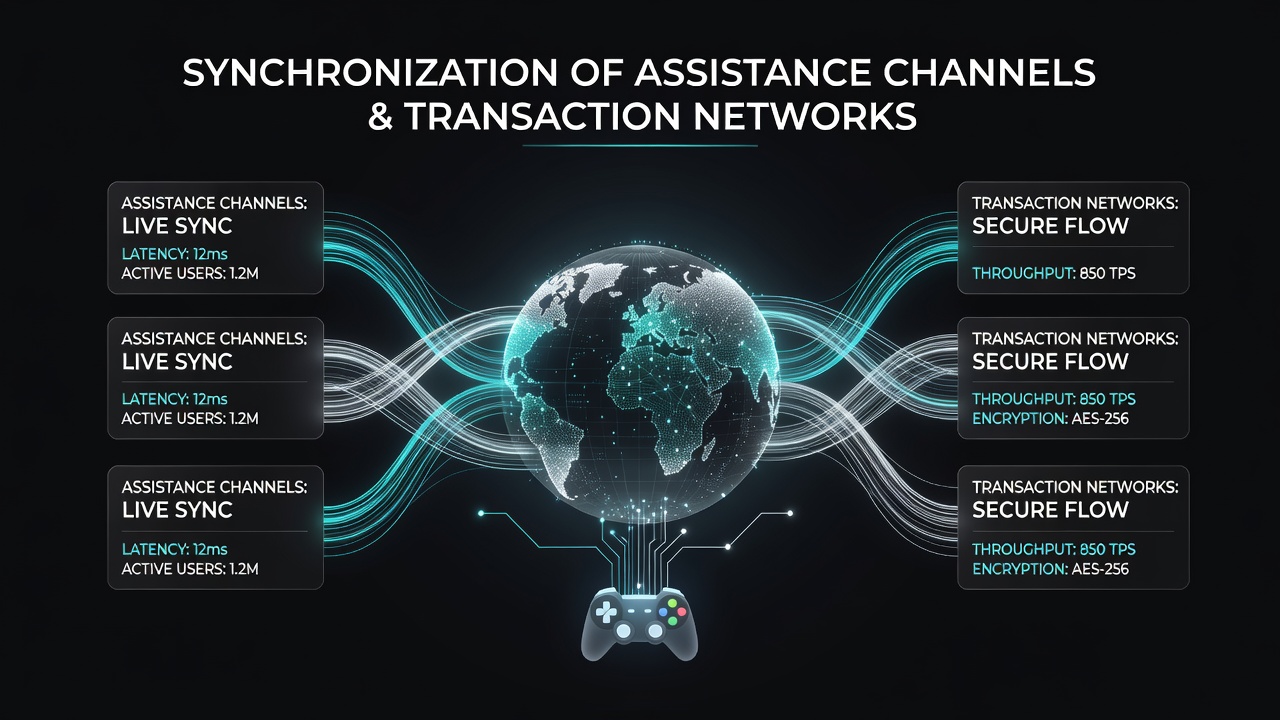
Security Protocols and Compliance Requirements
Encryption standards protect the data exchange between assistance channels and transaction networks, and regulatory bodies in multiple regions require audit trails for every synchronized interaction. The Nevada Gaming Control Board maintains guidelines on data integrity that operators follow when linking support tools to financial systems, while similar frameworks appear in other jurisdictions. Research indicates that multi-factor authentication applied at the API level reduces unauthorized access risks during these exchanges.
What's significant is how tokenization separates sensitive payment information from support views, and this approach complies with standards set by payment card networks. People who've studied compliance reports note that platforms conducting regular penetration tests on integrated systems maintain higher uptime during peak wireless traffic periods.
Industry Applications and Regional Developments
Operators in North American and European markets have deployed synchronized systems to handle high volumes of mobile transactions, and one case showed a platform resolving withdrawal queries within minutes because agents could pull network status directly. According to reports from the Australian Communications and Media Authority, wireless gaming services benefit from these integrations when managing cross-border payment verifications. The reality is that such coordination supports compliance with varying tax reporting rules across states and provinces.
Turns out that academic papers from engineering departments have analyzed latency patterns in these synchronized environments, and findings suggest that edge computing nodes positioned near wireless towers further accelerate data delivery to support interfaces. Industry associations track adoption rates, revealing gradual rollout among smaller operators who partner with established payment providers.
Conclusion
Synchronization between assistance channels and transaction networks continues to shape operations on wireless gaming platforms through standardized protocols and ongoing technical refinements. Data shows measurable improvements in response accuracy when these elements connect reliably, and regulatory updates through mid-2026 reinforce the need for secure, auditable integrations. Observers expect further refinements as wireless infrastructure evolves and more platforms adopt these coordinated approaches.