Safety Metrics Guiding Payment Preferences During Bonus Rounds on Mobile Slot Platforms
Otto Lehmann · Jun 15, 2026
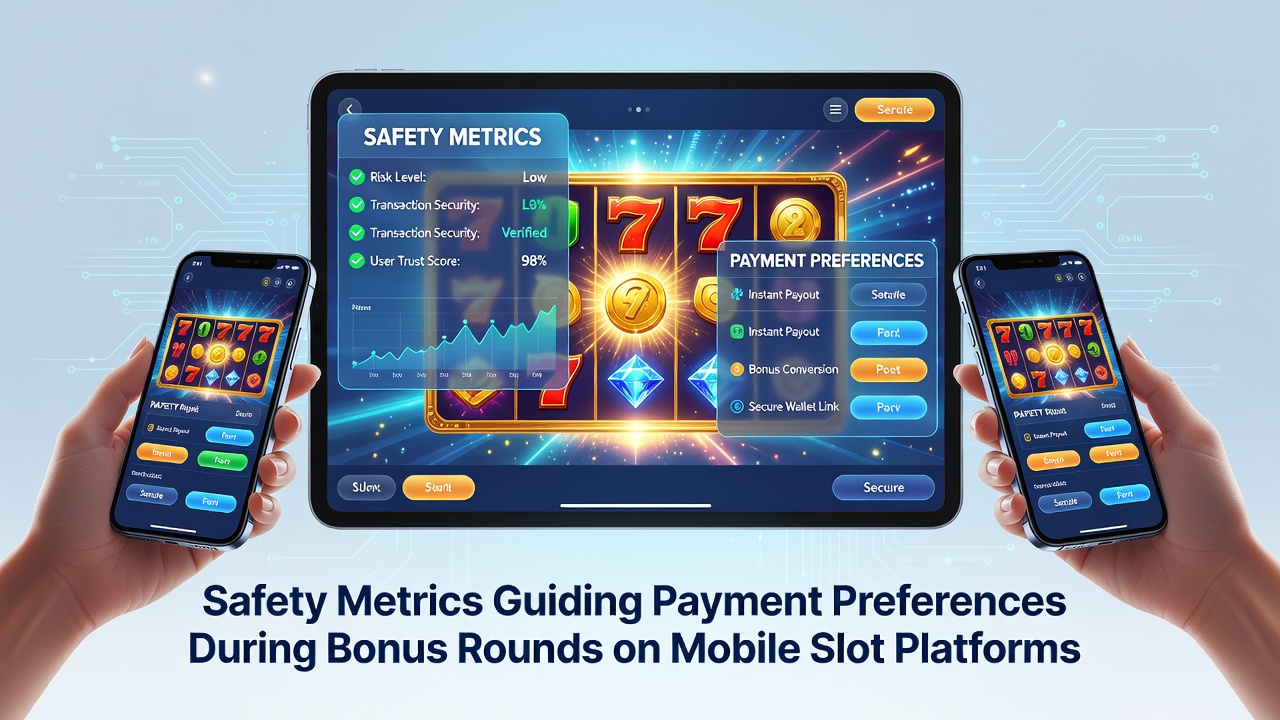
Safety Metrics Guiding Payment Preferences During Bonus Rounds on Mobile Slot Platforms
Platform operators track multiple safety metrics when users select payment methods for bonus rounds on mobile slot applications, and these measurements shape which options rise to the top during active promotions. Transaction verification speed combines with encryption strength and fraud detection rates to form the core criteria that determine preferences across regulated markets.
Core Safety Metrics in Mobile Transactions
Encryption protocols such as TLS 1.3 sit alongside real-time monitoring systems that flag unusual activity within seconds of initiation, while two-factor authentication adds another verification layer before funds move during bonus play. Researchers at the University of Nevada Reno documented how these layered checks reduce unauthorized access attempts by measurable margins when players engage with time-limited slot features.
Latency measurements during peak hours reveal that certain digital wallets maintain sub-two-second approval windows even when bonus multipliers activate multiple concurrent spins, and this consistency influences which methods appear first in player interfaces. Payment processors publish quarterly reports that break down these performance figures by device type and geographic region, giving operators concrete data to refine their recommendation engines.
How Bonus Rounds Alter Payment Dynamics
Bonus rounds introduce compressed timeframes and heightened transaction volumes, which in turn amplify the importance of metrics like chargeback ratios and account verification completion rates. Systems that complete identity checks in under thirty seconds gain preference because they allow seamless continuation of play without interrupting the feature sequence. Data compiled by the New Jersey Division of Gaming Enforcement shows that platforms prioritizing these fast-verification methods record higher completion rates for bonus-related deposits compared with slower alternatives.
Observers note that players shift toward methods with built-in biometric confirmation when bonus rounds carry wagering requirements above a certain threshold, since those tools cut down on follow-up authentication steps. Meanwhile, traditional card networks demonstrate stronger dispute resolution records in some datasets, yet their processing times during high-traffic periods sometimes exceed wallet alternatives by noticeable margins.
Regulatory Timelines and Metric Standardization
Standards scheduled for phased implementation through June 2026 emphasize uniform reporting of safety metrics across mobile platforms, requiring operators to publish average verification times and fraud incidence rates for each accepted payment type. These requirements build on existing frameworks already in place in several North American jurisdictions and aim to create comparable benchmarks that help users make informed choices during bonus sequences.
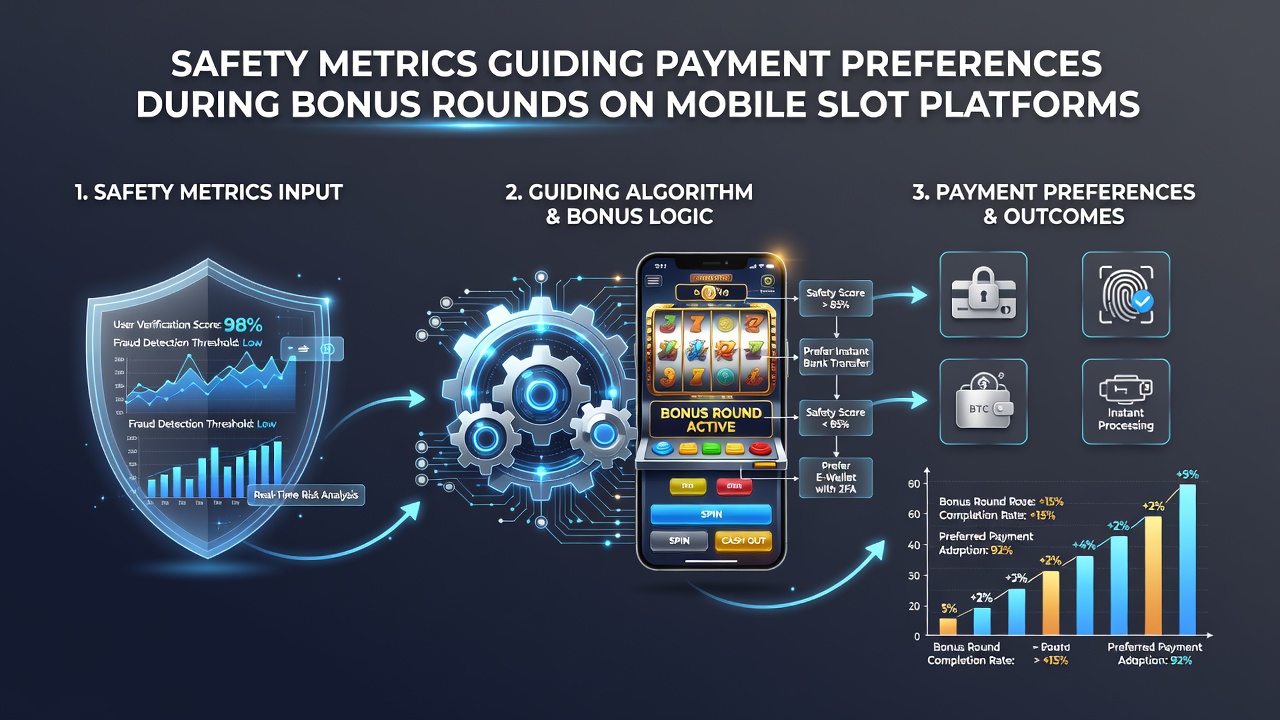
European regulators have aligned similar disclosure rules that take effect on overlapping schedules, creating cross-border consistency for platforms operating in multiple territories. The result is that payment preference algorithms now incorporate these standardized figures when ranking options inside bonus round interfaces.
Industry Data on Preference Shifts
Figures released by the European Gaming and Betting Association indicate that e-wallet usage during bonus rounds increased steadily once platforms began displaying real-time safety scores alongside each method. Card-based options retained ground in markets where chargeback protections carry higher weighting in the metric calculations, yet overall volume data shows wallets leading in regions that prioritize speed alongside encryption audits.
One study tracking Australian online gaming platforms found that incorporating biometric success rates into the ranking system produced a clear reordering of displayed payment choices, with methods clearing facial or fingerprint checks in under one second moving ahead of alternatives. Those same platforms reported fewer interrupted bonus sessions after the adjustment.
Technical Integration Points
Mobile slot applications embed safety metric displays directly into the deposit flow that appears when bonus rounds trigger, and the integration relies on API connections between the game engine and payment gateway. These connections pull live data on encryption certificate validity and recent fraud alerts before presenting options to the user. Platforms that refresh these metrics every fifteen seconds maintain higher alignment between displayed information and actual transaction conditions.
Device-level factors such as operating system version and network type also feed into the metric calculations, since older software builds sometimes show elevated vulnerability scores that affect method rankings. Operators adjust weighting formulas accordingly to balance security data with user convenience during active bonus play.
Conclusion
Safety metrics continue to evolve as the primary filter that orders payment preferences inside mobile slot bonus rounds, and upcoming standardization efforts through June 2026 will likely expand the range of comparable data points available to both operators and users. Transaction verification speed, encryption strength, and fraud incidence rates remain the dominant variables that determine which methods surface first when bonus features activate. Platforms that integrate these measurements into their interfaces provide clearer pathways for users navigating deposit decisions under time pressure.