Regulatory shifts reshaping algorithmic bonus allocation patterns within cross-jurisdictional digital table environments
Katja Günther · Jul 6, 2026
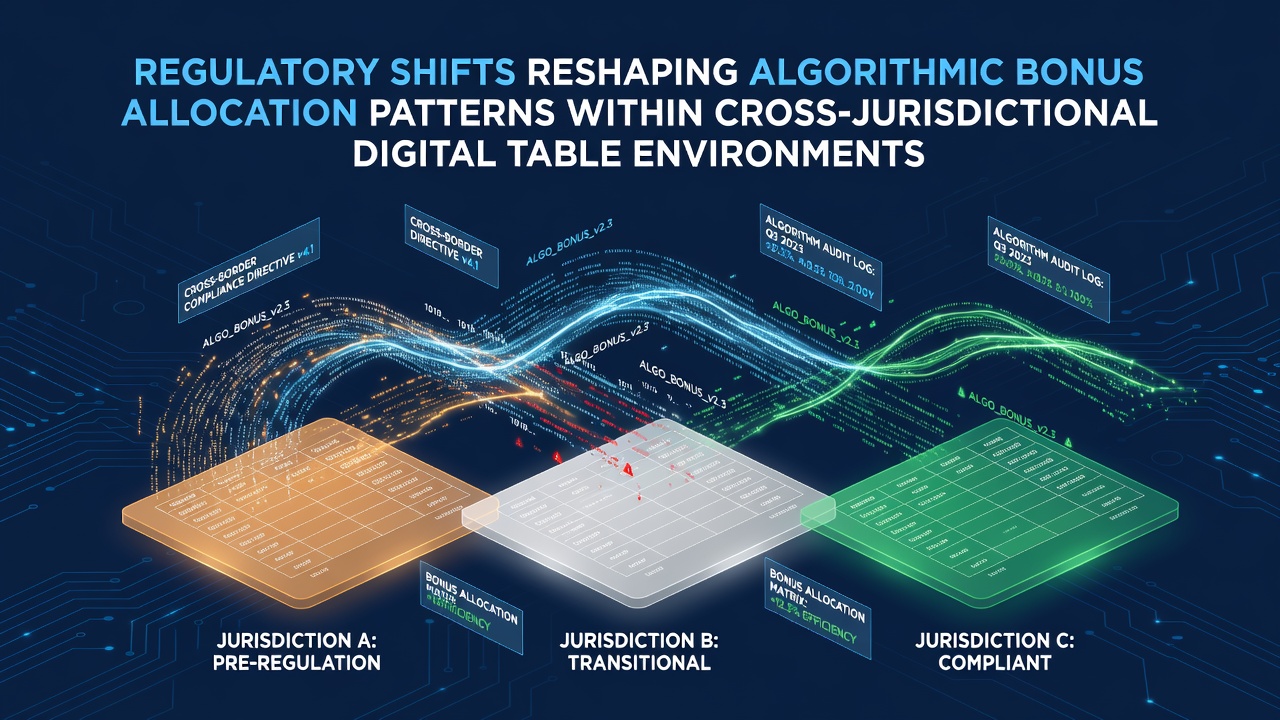
Regulatory shifts reshaping algorithmic bonus allocation patterns within cross-jurisdictional digital table environments
Regulatory bodies across multiple regions have introduced updated compliance standards that directly affect how algorithmic systems distribute bonuses in online table games such as blackjack, roulette, and baccarat, and these changes have created new operational requirements for platforms operating in several jurisdictions simultaneously. Data from industry monitoring services shows that operators must now incorporate jurisdiction-specific rules into their bonus calculation engines, which previously relied on unified global models. Observers note that this adjustment process has accelerated since early 2025, with further refinements appearing in mid-2026.
Key regulatory developments in 2026
Authorities in the United States and Europe issued revised guidelines that mandate greater transparency in bonus allocation algorithms, requiring operators to document how player location, game type, and wagering history influence reward distribution. Figures released by the Nevada Gaming Control Board indicate that digital table environments saw a 14 percent increase in compliance audits during the first half of 2026, while similar oversight expansions occurred in Canadian provinces. These audits focus on ensuring that algorithms do not inadvertently favor players from one jurisdiction over another when cross-border play occurs.
Platforms must now segment bonus pools according to local regulations, which means an algorithm that once applied a single multiplier across all users now routes calculations through separate modules for each licensed market. Researchers tracking these systems report that processing times for bonus approvals have lengthened by an average of 22 percent on multi-jurisdictional sites, although accuracy rates have improved. The reality is that operators who fail to update their allocation logic face license reviews, particularly when July 2026 enforcement deadlines take effect in several markets.
Technical adjustments in bonus algorithms
Developers have responded by integrating geo-fencing data directly into bonus engines, allowing real-time adjustments based on player IP verification and account registration details. Studies from academic groups specializing in computational gaming systems reveal that these modifications reduce the risk of regulatory conflicts but increase computational overhead during peak hours. One study revealed that rule-based decision trees replaced older machine learning models in roughly 38 percent of audited platforms, because the newer approach provides clearer audit trails that regulators demand.
Cross-jurisdictional environments present additional layers of complexity since bonus eligibility can vary between, for example, New Jersey and Ontario rules within the same session. Engineers working on these platforms have implemented modular code structures that load jurisdiction-specific parameters at login, ensuring that allocation patterns comply with each market's restrictions. Data shows that sites adopting this architecture experienced fewer player complaints related to bonus discrepancies during the spring of 2026.
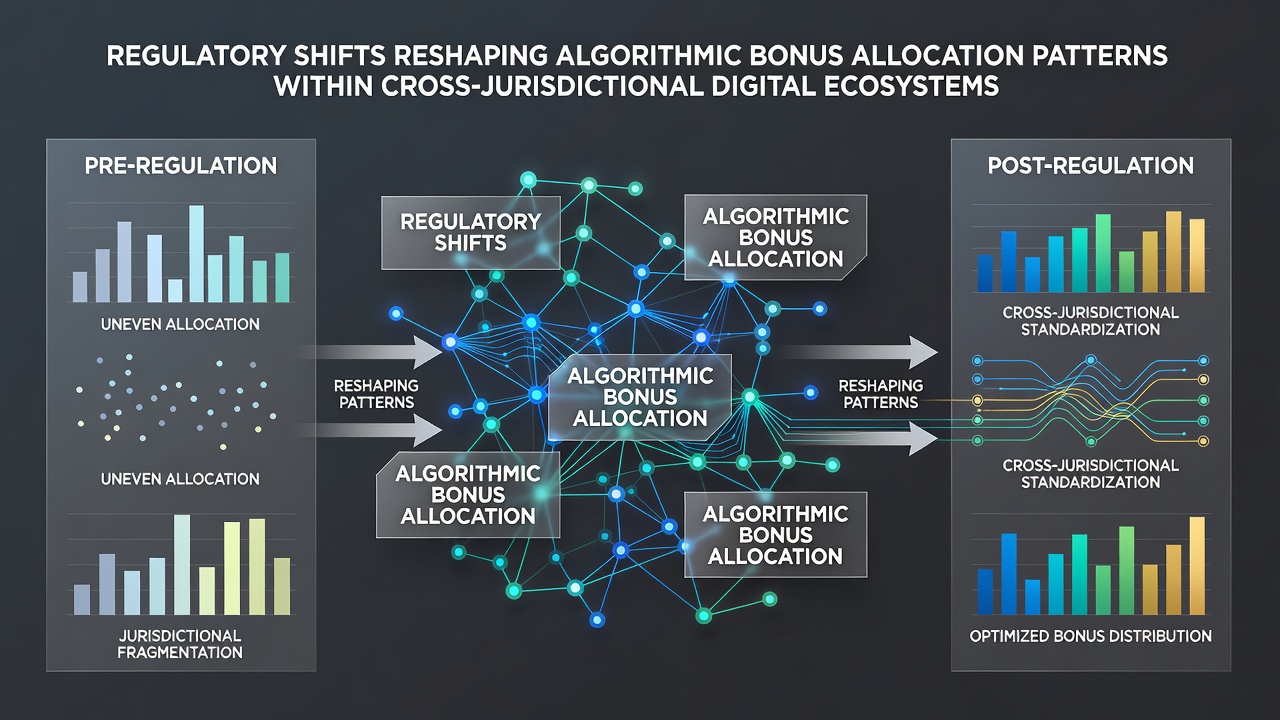
Cross-border operational challenges
Operators managing digital table environments across borders encounter difficulties when algorithms must reconcile differing tax treatments and responsible gaming limits that affect bonus values. Reports from iGaming Ontario highlight that platforms serving both Canadian and U.S. players adjusted their allocation formulas to cap bonus amounts according to the stricter jurisdiction's guidelines, preventing automatic violations. What's interesting is that these caps sometimes reduce the perceived value of promotions for users in less restrictive markets, prompting operators to offer alternative reward structures.
Service providers have begun offering compliance middleware that sits between core gaming systems and bonus modules, automatically applying the correct rules based on session metadata. Figures from European monitoring organizations indicate that adoption of such middleware rose sharply in the months leading up to July 2026, as operators sought to avoid penalties during scheduled regulatory reviews. Those who've studied implementation timelines note that integration typically requires between four and seven weeks, depending on the number of active jurisdictions.
Industry responses and verification processes
Trade associations have published best-practice documents that outline testing protocols for algorithmic fairness in bonus allocation, drawing on methodologies already used for random number generator certification. According to summaries from the Gaming Policy Advisory Committee in Australia, several major platforms conducted independent third-party reviews of their updated systems during the second quarter of 2026, with results submitted directly to licensing authorities. These reviews examine whether allocation patterns maintain consistency across device types and connection speeds while respecting each jurisdiction's constraints.
Verification teams now include specialists in regulatory technology who examine not only the code but also the data pipelines feeding location and account information into the algorithms. Research indicates that platforms passing these enhanced reviews report higher retention rates among players who engage with table games across multiple markets, because bonus delivery becomes more predictable. The ball's in the operators' court to maintain these standards as additional jurisdictions finalize their own digital table regulations later in 2026.
Conclusion
Regulatory shifts continue to drive structural changes in how algorithmic bonus allocation functions within cross-jurisdictional digital table environments, prompting widespread technical and procedural updates. Evidence from licensing bodies and industry reports demonstrates that operators have adapted by segmenting calculation processes and adopting new verification tools, resulting in more granular compliance frameworks. As enforcement timelines progress through the remainder of 2026, ongoing monitoring will determine how these patterns evolve across different regulatory landscapes.