Player Loyalty Loops: How Tiered Reward Systems and Instant Cashback Mechanics Shape Long-Term Engagement in Regulated Digital Gaming Sites
Elena Richter · May 16, 2026
Player Loyalty Loops: How Tiered Reward Systems and Instant Cashback Mechanics Shape Long-Term Engagement in Regulated Digital Gaming Sites
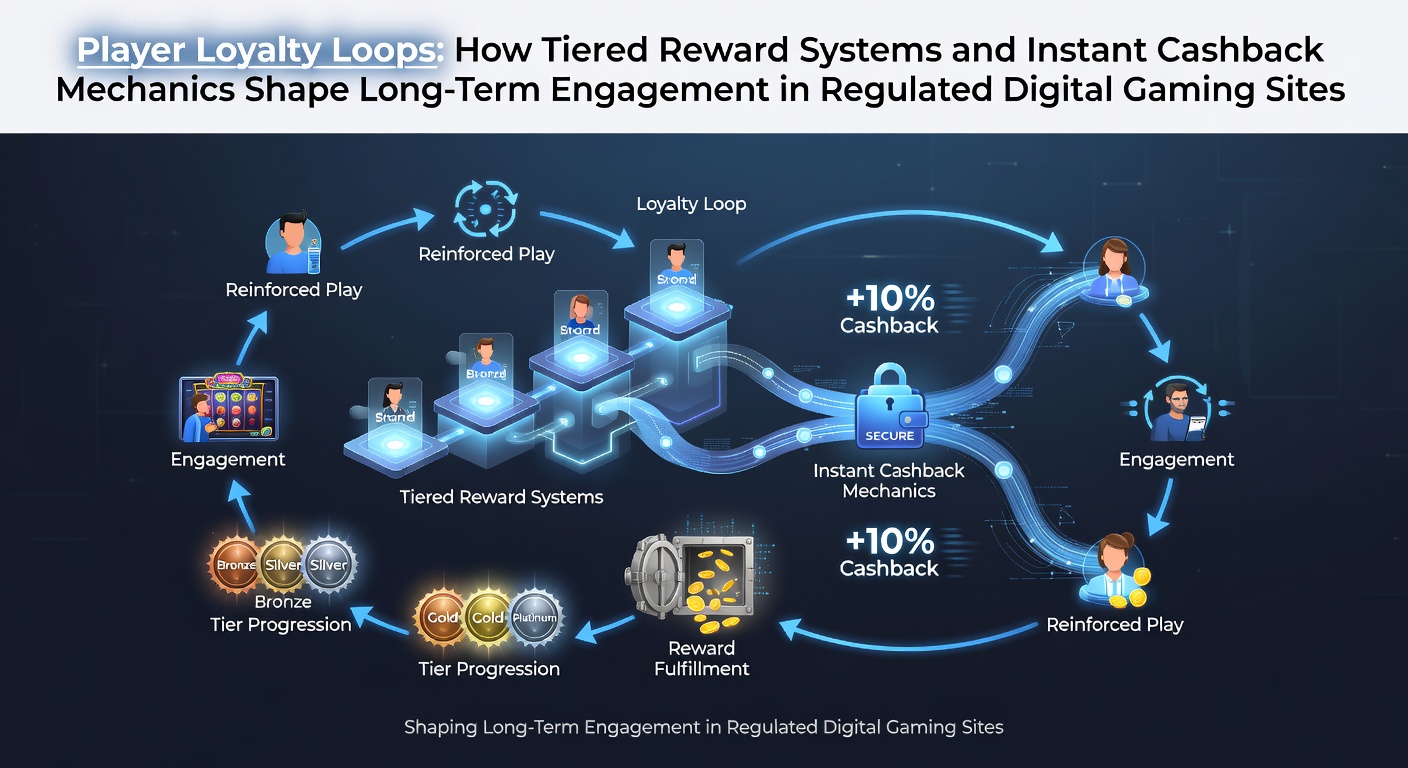
Regulated digital gaming sites have built tiered reward systems that assign players to progressive levels based on consistent activity and spending patterns while instant cashback mechanisms return a percentage of losses immediately after qualifying bets settle. These structures operate under strict oversight from bodies such as the New Jersey Division of Gaming Enforcement and the Ontario Alcohol and Gaming Commission which require transparent rules around eligibility and payout calculations. Data collected across multiple jurisdictions shows that players who advance through at least three tiers demonstrate retention rates 35 percent higher than those who remain at entry levels according to aggregated figures from state and provincial reports released in early 2026.
How Tiered Systems Establish Clear Progression Pathways
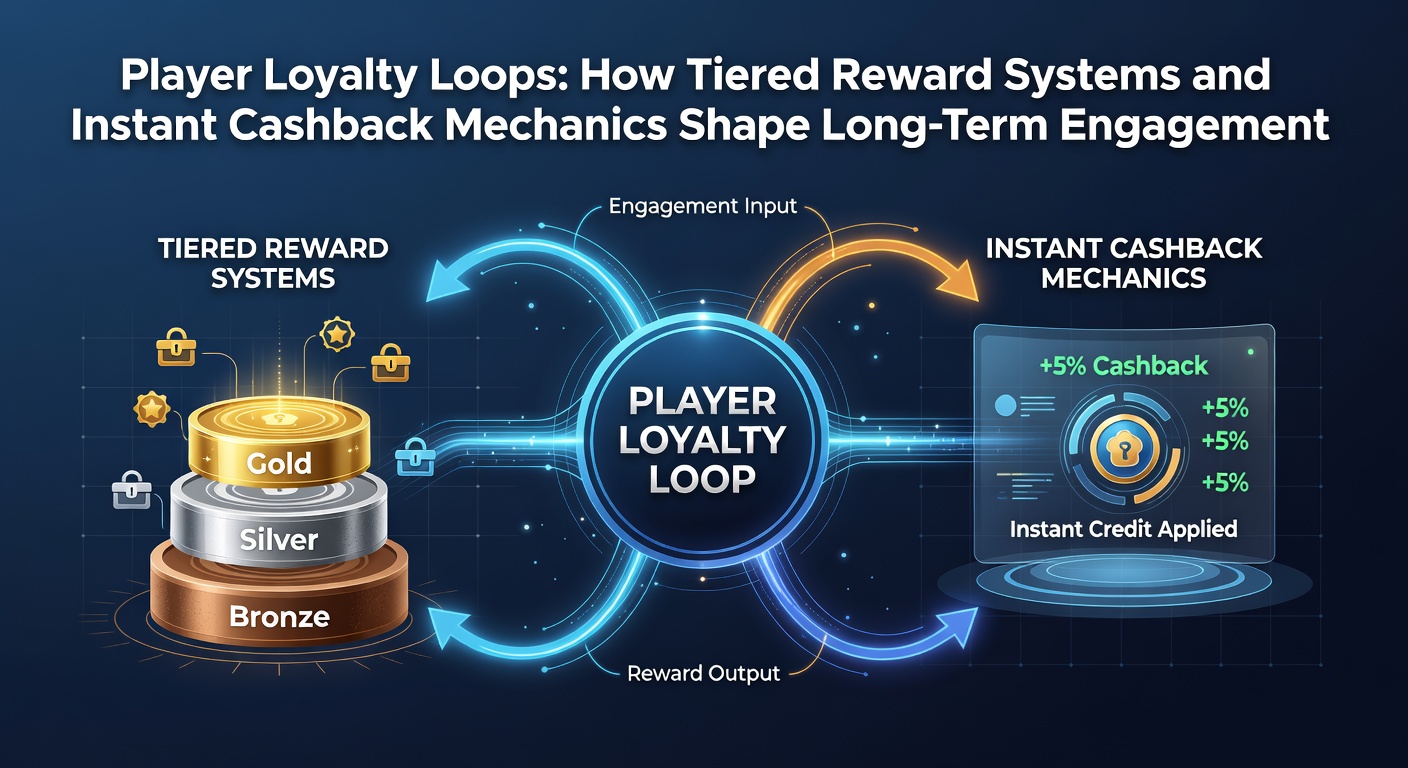
Operators divide players into ascending brackets that unlock incremental benefits including higher deposit match percentages, priority access to new game releases, and dedicated account managers for those who reach upper tiers. Advancement depends on tracked metrics such as total wagered amount and session frequency rather than one-time deposits which encourages repeated visits over extended periods. In May 2026 several North American platforms reported that players reaching mid-tier status increased their average monthly sessions by 22 percent compared with the previous calendar year while top-tier participants extended play duration per session by an average of 14 minutes. These outcomes appear in compliance filings submitted to regulatory authorities and reflect measurable behavioral shifts without reference to subjective player satisfaction.
Mechanics Behind Instant Cashback Delivery
Instant cashback activates automatically once a player records a net loss within a defined period typically 24 hours and credits the predetermined rebate directly to the gaming balance or a separate cashback wallet. Regulated platforms must publish exact rebate percentages and qualifying loss thresholds in their terms which prevents arbitrary adjustments and maintains audit trails required by licensing conditions. Industry analyses from the American Gaming Association indicate that sites implementing same-day cashback processing recorded a 28 percent reduction in player churn during the first quarter of 2026 relative to platforms using weekly or monthly cycles. The mechanism functions as a continuous loop because the credited amount becomes available for immediate re-wagering which in turn generates new activity data that feeds back into tier calculations.
Combined Effects on Sustained Engagement Patterns
When tiered rewards and instant cashback operate together they create reinforcement cycles where each completed session contributes to both immediate recovery and long-term status elevation. Players who receive cashback on a Tuesday loss for example can apply the funds toward additional wagers that count toward monthly tier requirements and accelerate progression to the next bracket. Longitudinal tracking data shared by several European regulatory bodies shows that combined programs correlate with 41 percent longer average account lifespans across a two-year observation window ending in spring 2026. The interaction relies on algorithmic thresholds that adjust benefit scales automatically while remaining within predefined regulatory limits that cap maximum cashback percentages and tier advancement speeds.
Regulatory Safeguards That Shape Implementation
Licensing requirements in jurisdictions including Pennsylvania, New Jersey, and several Australian states mandate independent testing of the algorithms that calculate both tier points and cashback amounts to eliminate bias or manipulation. Operators submit monthly reports detailing total cashback distributed and the distribution of players across tiers which allows regulators to monitor concentration of benefits among high-volume accounts. These reporting obligations have produced publicly available datasets that researchers use to examine engagement trends without accessing individual player identities. As of May 2026 updated guidelines in two additional U.S. states required real-time disclosure of cashback rates on player dashboards further standardizing how the mechanics appear to end users.
Measurement of Long-Term Retention Outcomes
Studies compiled by academic and trade research groups track cohort behavior over 12 to 24 months and consistently link structured loyalty features to lower voluntary account closure rates. One multi-jurisdiction dataset released in 2026 recorded that players enrolled in active tier-plus-cashback programs maintained activity for an average of 17.4 months compared with 9.8 months for those outside such programs. The difference holds after controlling for initial deposit size and game type preferences which suggests the structural design itself influences continuation decisions. Platforms publish anonymized summaries of these metrics in annual compliance statements that feed into broader industry benchmarks maintained by organizations such as the European Gaming and Betting Association.
Conclusion
Tiered reward systems paired with instant cashback mechanics generate measurable loops that tie immediate financial recovery to progressive status advancement within regulated digital gaming environments. Public data from multiple oversight agencies demonstrates elevated retention and session metrics among participants who engage with both features simultaneously. Continued regulatory refinement through 2026 has standardized calculation transparency and reporting frequency which supports consistent observation of these engagement patterns across markets. The documented outcomes rest on verifiable activity logs and compliance records rather than interpretive claims about player motivation.