Investigating Device Compatibility Protocols and Their Role in Shaping Verified Transaction Approvals Across Mobile Slot Networks
Amir Jung · Aug 20, 2026
Investigating Device Compatibility Protocols and Their Role in Shaping Verified Transaction Approvals Across Mobile Slot Networks
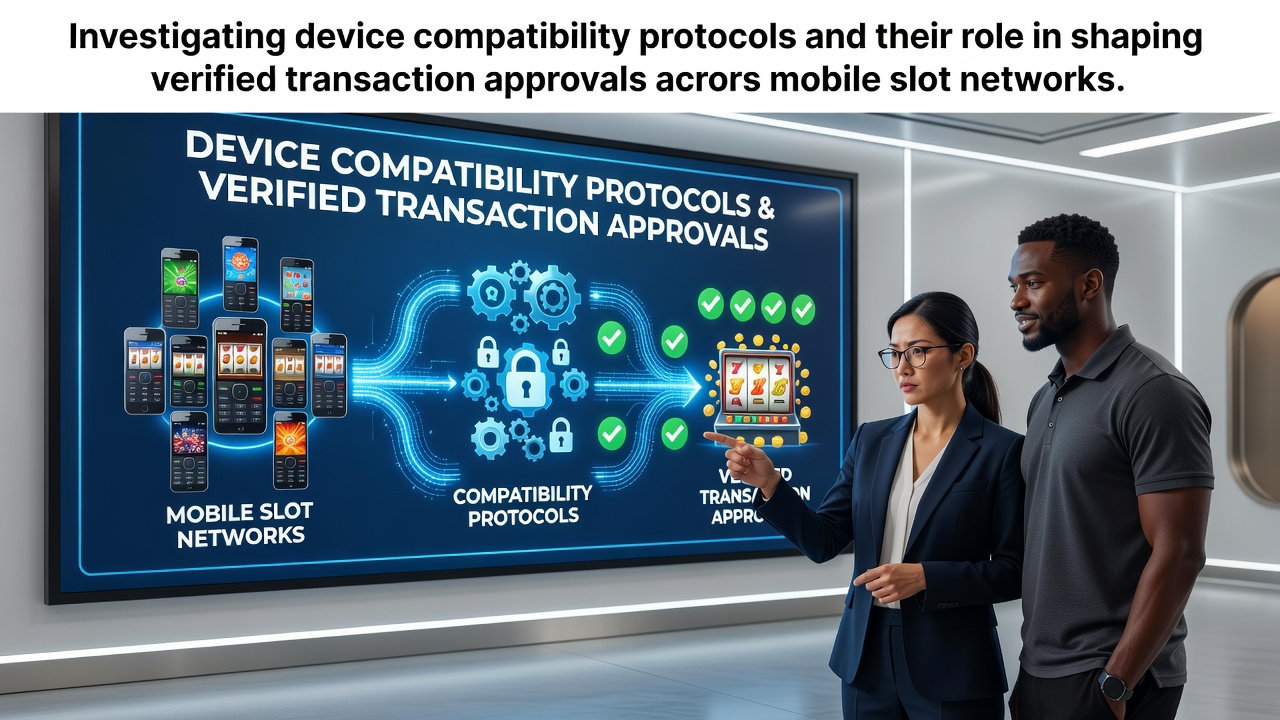
Device compatibility protocols operate as standardized frameworks that assess operating systems, hardware specifications, screen resolutions, and network conditions before mobile slot applications process any financial transactions. These protocols establish baseline requirements that networks enforce to confirm a device meets security thresholds, which directly influences whether transaction approvals receive certification in real time. Data from industry reports indicates that such checks reduce unauthorized access attempts by aligning device profiles with encrypted verification sequences.
Core Components of Compatibility Protocols
Compatibility protocols incorporate API endpoints that query device metadata upon app launch, then compare results against predefined criteria set by network operators and regulatory bodies. Researchers have documented how these systems evaluate processor architecture, RAM availability, and operating system version numbers while cross-referencing against lists of approved configurations. When a device passes initial scans, the protocol triggers secondary layers that validate secure element presence and biometric sensor functionality before any payment gateway engages. Observers note that integration with mobile operating system updates occurs quarterly in many jurisdictions, which keeps verification standards aligned with evolving hardware releases.
Transaction Approval Mechanisms
Verified transaction approvals depend on successful handshakes between compatibility protocols and backend authorization servers, where each step confirms session integrity through token exchanges. Figures from gaming laboratories reveal that networks using multi-stage device fingerprinting achieve higher approval rates because mismatched hardware triggers automatic holds until manual review clears the session. Those who've studied transaction logs across platforms report that protocols often embed geolocation checks alongside hardware validation, creating layered confirmation that ties device location to registered account data. In August 2026 several major mobile slot networks implemented enhanced protocol revisions that added support for newer chipset architectures, resulting in measurable reductions in declined transactions during peak usage windows.
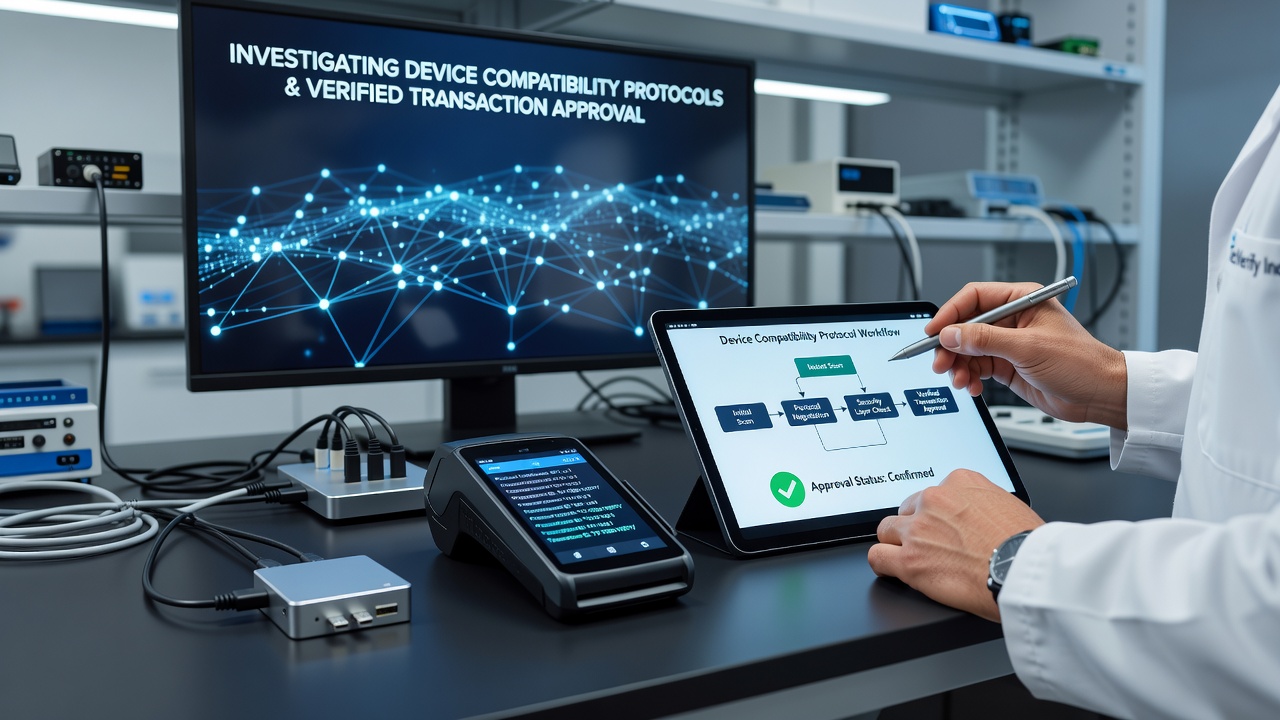
Protocols also coordinate with payment processors to confirm that the device supports required encryption standards such as TLS 1.3 or higher, while maintaining continuous monitoring throughout the transaction lifecycle. This continuous validation prevents mid-session device switches that could compromise approval integrity. Data shows that interruptions in compatibility verification correlate directly with extended processing times, which networks mitigate through cached profile matching techniques.
Regulatory and Industry Standards
Gaming control authorities in multiple regions mandate that mobile slot operators maintain documented compatibility matrices updated against new device launches. The New Jersey Division of Gaming Enforcement publishes periodic guidelines that detail minimum protocol requirements for transaction verification systems. Industry associations such as Gaming Laboratories International conduct independent audits that test how well these protocols handle edge cases including older operating systems and regional network variations. Research institutions have published findings indicating that standardized compatibility testing reduces variance in approval outcomes across different mobile carriers.
One study released by a Canadian research consortium examined transaction datasets from 2025 and found that networks enforcing strict device protocol compliance recorded fewer instances of payment reversals. The same analysis highlighted that protocols incorporating real-time firmware checks prevented approvals on devices flagged for security vulnerabilities. Observers note that cross-border operators often align their systems with multiple regulatory frameworks simultaneously, which requires flexible protocol designs capable of satisfying varying regional mandates without disrupting user flows.
Implementation Patterns Across Networks
Networks deploy compatibility protocols through modular software development kits that operators integrate into existing mobile applications. These kits handle device detection routines and communicate results to centralized verification hubs before transaction requests proceed. Case examples from regulated markets demonstrate that early adoption of updated protocols coincided with smoother rollout of new slot titles across diverse handset models. Data indicates that operators who maintain comprehensive device testing farms experience fewer post-launch compatibility issues that could delay transaction processing.
Protocols frequently incorporate fallback mechanisms that downgrade verification requirements when legacy devices connect, provided those devices meet minimum encryption thresholds. Such adaptability allows networks to sustain broad accessibility while preserving approval security standards. Reports from Australian gaming regulators show that similar protocol structures have supported consistent transaction success rates even as mobile hardware generations advance rapidly.
Conclusion
Device compatibility protocols continue to form foundational infrastructure that shapes verified transaction approvals in mobile slot networks through systematic hardware and software validation. Ongoing refinements in August 2026 and beyond reflect coordinated efforts among operators, regulators, and technology providers to maintain secure yet accessible transaction environments. Evidence from multiple jurisdictions demonstrates that these protocols deliver measurable improvements in approval reliability when implemented consistently across platforms.