How Audit Timelines for Digital Reels Intersect with Mobile Transaction Protocols in State-Regulated Environments
Amir Jung · Jul 25, 2026
How Audit Timelines for Digital Reels Intersect with Mobile Transaction Protocols in State-Regulated Environments
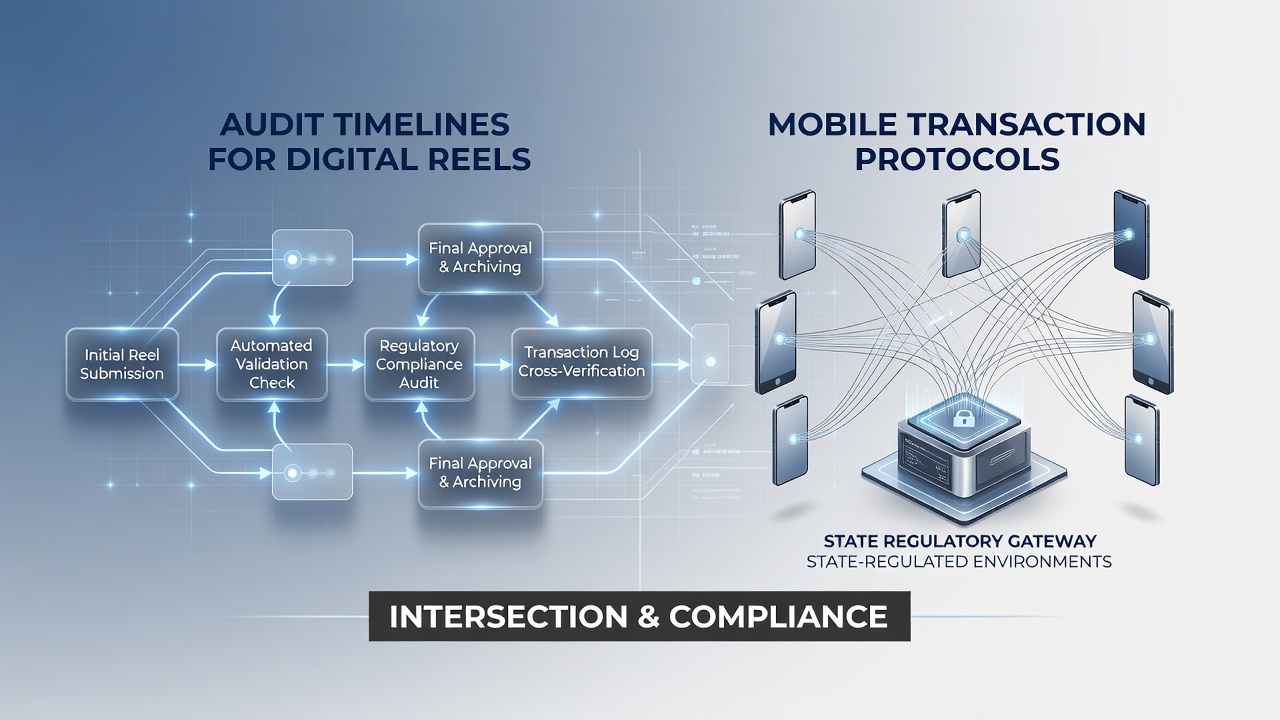
State gaming regulators coordinate audit schedules for digital reels with mobile transaction protocols through structured verification windows that align testing cycles with payment processing standards. These intersections occur because digital reel systems must undergo periodic integrity checks while mobile transactions require real-time security validations to maintain compliance across platforms.
Regulatory Frameworks Governing Reel Audits
Agencies such as the New Jersey Division of Gaming Enforcement establish specific intervals for reel audits that examine random number generators and payout mechanisms on licensed platforms. These audits follow documented procedures that require operators to submit system logs within defined periods, often synchronized with broader compliance reviews. Data from state reports shows that audit completion rates improve when operators integrate mobile transaction monitoring into the same verification pipeline.
Mobile Transaction Protocols in Practice
Mobile payment systems in regulated markets process deposits and withdrawals through encrypted channels that record timestamps, device identifiers, and authorization sequences. Protocols require transaction data to remain accessible for regulatory queries, and this accessibility creates direct links to reel audit activities. When a reel audit begins, examiners cross-reference transaction histories to confirm that game outcomes match recorded wagers and payouts without discrepancies.
Timeline Synchronization Points
Audit timelines typically span 30 to 90 days depending on jurisdiction size and system complexity, while mobile transaction protocols demand continuous logging with retention periods extending up to several years. The overlap happens at designated checkpoints where auditors request transaction subsets tied to specific reel sessions. Observers note that states like Pennsylvania have refined these checkpoints through updated technical standards released in early 2026, allowing operators to batch mobile data submissions alongside reel test results.

July 2026 saw several state commissions publish joint guidance on aligning these processes, emphasizing standardized data formats that reduce redundant submissions. Operators in Michigan and New Jersey implemented shared dashboards that display both reel audit status and transaction verification metrics in a single view. This approach cuts administrative delays because examiners access unified records rather than separate files for each domain.
Technical Integration Challenges
System architects address compatibility between reel audit software and mobile transaction gateways by adopting common API structures that support encrypted data exchange. Research from the Pennsylvania Gaming Control Board indicates that platforms using unified logging reduce audit preparation time by measurable margins. Yet integration remains complex because reel audits focus on outcome randomness while transaction protocols prioritize fraud detection and fund movement accuracy.
State-Level Implementation Examples
In Nevada, regulators require reel audit submissions every quarter with mobile transaction summaries attached for cross-verification during the same cycle. Ontario's Alcohol and Gaming Commission applies similar rules but extends retention for transaction data to accommodate longer audit windows. These examples illustrate how jurisdictions adapt core principles to local infrastructure without altering the fundamental requirement that reel integrity and payment security remain interdependent.
Operators report that maintaining parallel tracking systems becomes inefficient once transaction volumes exceed certain thresholds, prompting adoption of integrated solutions that flag anomalies across both domains simultaneously. Such systems allow immediate response when a reel test identifies irregularities that could affect recent mobile payouts.
Conclusion
State-regulated environments continue to refine the points where digital reel audit timelines meet mobile transaction protocols through shared standards and coordinated data practices. These alignments support consistent compliance while operators manage increasing volumes of mobile activity. Ongoing updates from regulatory bodies ensure that verification processes evolve alongside technological changes in both reel systems and payment infrastructure.