Exploring Synchronization Between Payout Confirmation Processes and Tiered Membership Benefits in State-Regulated Portable Casino Platforms
Elena Richter · Jul 13, 2026

Exploring Synchronization Between Payout Confirmation Processes and Tiered Membership Benefits in State-Regulated Portable Casino Platforms
State-regulated portable casino platforms continue to integrate payout confirmation systems with tiered membership structures as operators respond to evolving compliance requirements across multiple jurisdictions. These integrations allow higher-tier members to access expedited verification steps while maintaining the same regulatory oversight applied to all users. Operators in states such as New Jersey and Michigan have aligned their backend systems so that membership tier data directly influences processing queues for withdrawal requests. Data from state regulatory filings shows that members at upper loyalty levels often receive preliminary approval notifications within shorter timeframes compared with base-level accounts, though final fund release still requires completion of standard anti-money laundering checks.Core Elements of Payout Confirmation Workflows
Portable platforms process payouts through sequential stages that include identity verification, transaction review, and banking partner handoff. Regulators require each stage to generate auditable logs regardless of user tier, yet system architecture permits tier-based prioritization once initial checks clear. This approach keeps all accounts under uniform scrutiny while routing higher-volume or long-standing members through parallel review channels that reduce total elapsed time.
Tiered Membership Structures and Their Operational Impact
Membership tiers typically rest on accumulated play volume, deposit frequency, and account tenure. Platforms assign these levels automatically through algorithms that feed directly into customer relationship management modules. Once a tier elevation occurs, the system updates payout routing rules so subsequent requests inherit the new priority settings without manual intervention from support staff.
Observers note that synchronization becomes visible when users at different tiers submit identical withdrawal amounts on the same day. The platform applies identical compliance thresholds but sequences the requests according to tier metadata, producing measurable differences in confirmation timestamps reported back to users.
Regulatory Frameworks Guiding Integration
State gaming commissions mandate that any automated prioritization must preserve equal access to fair outcomes and transparent dispute resolution. As of July 2026, several jurisdictions updated their technical standards documents to require explicit documentation of how tier data interacts with payout queues. These updates emphasize audit trails that demonstrate no tier receives exemption from required verification steps.
According to records maintained by the New Jersey Division of Gaming Enforcement, platform operators must submit quarterly reports detailing average confirmation intervals broken down by membership tier, allowing regulators to verify ongoing compliance.
Technical Mechanisms Enabling Real-Time Alignment
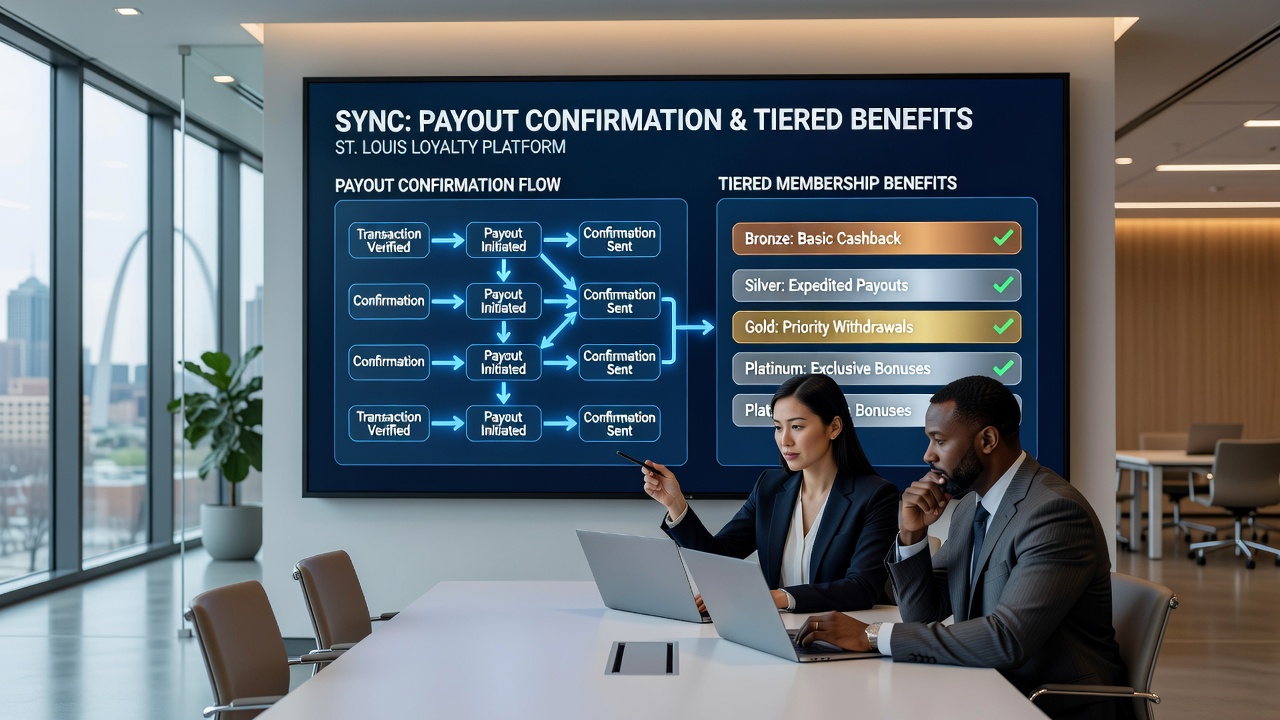
Application programming interfaces connect the loyalty engine with the payment processing module so that tier flags travel with each transaction record. When a request reaches the confirmation stage, the system reads the flag and places the record into the appropriate workflow lane. This architecture supports dynamic adjustment if a user’s tier changes mid-session, ensuring the next payout request reflects the updated status immediately.
Security protocols remain consistent across lanes, including device fingerprinting and behavioral analytics. The difference lies in queue position and dedicated reviewer capacity rather than relaxed standards. Research from gaming technology providers indicates that such lane separation improves overall system throughput without increasing false-negative fraud flags.
Case Examples from Active Jurisdictions
In Pennsylvania, operators managing multi-state portable platforms report that silver-tier and above accounts experience confirmation intervals that cluster more tightly around regulatory minimums. Michigan’s framework similarly requires disclosure of these performance differentials in annual compliance filings, creating public datasets that researchers can examine for patterns across demographic segments.
One documented implementation involved mapping tier advancement events to payout rule updates within the same database transaction, eliminating any lag between level change and priority activation. This method reduced edge cases where newly promoted members still encountered base-tier processing delays.
Future Developments in Cross-System Coordination
Industry groups such as the American Gaming Association have hosted technical working sessions focused on standardizing data schemas that describe tier-to-payout interactions. These efforts aim to simplify multi-state compliance reporting while preserving each jurisdiction’s unique threshold requirements.
Portable platforms continue to test enhanced synchronization features, including predictive queue allocation based on anticipated tier milestones. Early deployments show that these features maintain separation between promotional calculations and regulatory compliance gates.
Conclusion
State-regulated portable casino platforms demonstrate measurable progress in aligning payout confirmation timelines with tiered membership benefits through structured data flows and documented workflow lanes. Regulatory updates through July 2026 reinforce the requirement that all tiers receive equivalent verification depth even as processing order varies. Continued reporting from bodies including the New Jersey Division of Gaming Enforcement supplies the factual basis for evaluating whether these synchronized systems meet both operational efficiency goals and statutory fairness standards across expanding mobile markets.