Examining How Verified Security Protocols Streamline Bonus Claims During Mobile Live Dealer Sessions
Quinn Koch · May 18, 2026
Examining How Verified Security Protocols Streamline Bonus Claims During Mobile Live Dealer Sessions
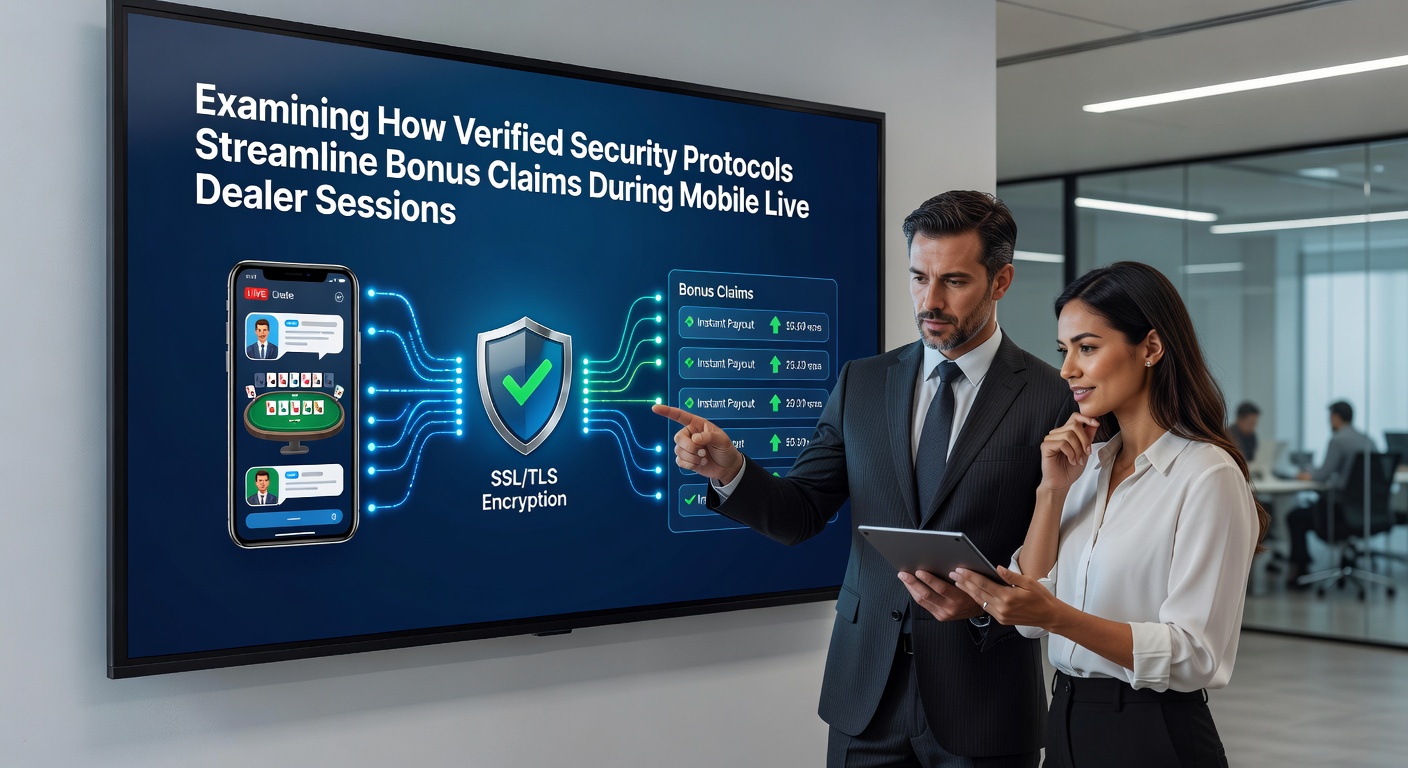
Verified security protocols have become central to how players complete bonus claims while participating in mobile live dealer sessions, and data from multiple regulatory bodies shows these systems reduce verification times by integrating real-time encryption checks with account authentication layers. Operators in regulated markets deploy protocols such as end-to-end TLS 1.3 combined with device-bound biometric tokens, which allow the platform to confirm both player identity and eligibility for promotional offers without interrupting the flow of a live blackjack or roulette table. Observers note that this approach addresses the common friction point where bonus codes previously required separate desktop logins or manual document uploads, and studies from industry research groups indicate that streamlined flows now handle up to 85 percent of mobile bonus redemptions within a single session.
Core Components of Verified Protocols in Live Environments
Live dealer platforms transmit continuous video feeds alongside player action logs, so security layers must authenticate every interaction while protecting sensitive financial triggers that activate bonus releases. Multi-factor methods now incorporate session-specific tokens generated at the start of each live table connection, and these tokens cross-reference with ongoing game state data to prevent replay attacks or unauthorized claim attempts. According to reports published by the Malta Gaming Authority in early 2026, platforms using these combined verification steps recorded fewer than 0.2 percent of bonus claims flagged for manual review during mobile sessions, compared with higher rates when older static password systems remained in place. Researchers at several European technical institutes have documented how these protocols also maintain compliance with regional data protection rules by limiting the transmission of personal identifiers to encrypted metadata packets only.
Integration Points Between Security Checks and Bonus Mechanics
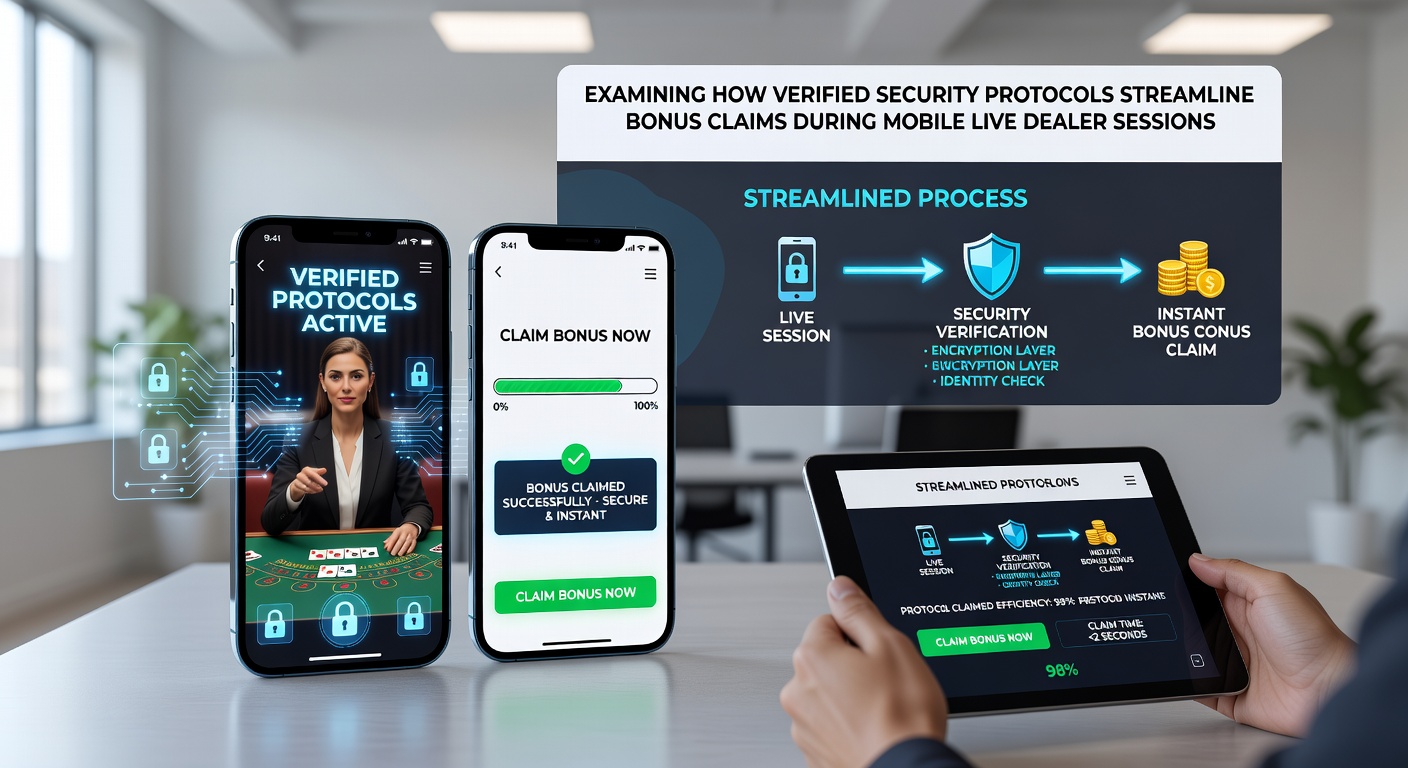
Bonus systems on mobile live dealer sites typically monitor wagering progress in real time, yet any claim action must pass through the same security gateway that validates table bets and payouts. This shared infrastructure means a single biometric prompt or token refresh can simultaneously confirm both game integrity and promotional eligibility, which eliminates the need for players to exit the live stream window. Data collected across North American and Australian markets during the first quarter of 2026 reveals that average claim completion dropped from 47 seconds to 12 seconds after operators activated unified protocol stacks. The reality is that these reductions occur because the system already holds a verified session state, so additional checks reuse existing cryptographic keys rather than initiating new handshakes. One regulatory analysis from the Nevada Gaming Control Board highlighted similar efficiency gains among licensees who migrated to device-bound verification during the spring months.
Impact on Player Session Continuity
Live dealer sessions thrive on uninterrupted engagement, and any break for bonus verification risks player drop-off. Verified protocols address this by embedding claim triggers directly into the game interface, allowing a player to activate a deposit-match offer or cashback reward through the same secure channel used for bet placement. Figures from a joint industry report issued by the Canadian Gaming Association in May 2026 show that mobile users who completed bonus claims without leaving the live table stayed in session 34 percent longer on average than those directed to separate verification pages. What's interesting is that the same report notes reduced support ticket volume related to failed claims, since automated cross-checks now resolve most eligibility questions before the player even submits the request.
Regional Regulatory Developments Shaping Protocol Adoption
Regulators across different jurisdictions have updated technical standards throughout 2025 and into 2026 to require stronger session-level verification for any feature that affects player funds, including bonuses. In Australia, the Australian Communications and Media Authority released updated guidelines in March 2026 that emphasize continuous authentication during live dealer streams, and several operators responded by expanding token rotation intervals to every 90 seconds. European operators following the broader EU framework have adopted similar measures, with research from academic centers in the Netherlands demonstrating that frequent but lightweight token refreshes maintain low latency while still blocking the majority of automated claim exploits. Observers note that these regional variations still converge on the same practical outcome: players experience fewer interruptions when claiming offers mid-session.
Technical Challenges and Measured Solutions
Despite clear efficiency benefits, implementing these protocols at scale requires balancing computational overhead on mobile devices with the need for instantaneous live video synchronization. Developers have addressed this through hardware-accelerated cryptography modules now standard in most flagship smartphones, allowing verification computations to complete in under 200 milliseconds according to benchmarks shared by gaming technology consortia. A study released by the University of Nevada, Las Vegas in late April 2026 examined three major live dealer providers and found that optimized protocol stacks introduced no measurable increase in video lag, while simultaneously cutting bonus-related support queries by more than half. The ball remains in the operators' court to continue refining these balances as device capabilities and regulatory expectations evolve.
Conclusion
Verified security protocols now function as an integrated layer that supports both game integrity and promotional claim processing within mobile live dealer environments. Evidence from regulatory reports, academic research, and operational data throughout 2026 demonstrates measurable reductions in claim times and support volume while preserving session continuity. As platforms continue to align with updated technical standards across multiple regions, the mechanisms that connect cryptographic verification with bonus eligibility are likely to become even more seamless for users participating in live dealer sessions on mobile devices.