Charting Intersections: How Tiered Support Protocols Shape Strategic Slot Selections Amid Mobile Payment Evolutions
Quinn Koch · May 21, 2026
Charting Intersections: How Tiered Support Protocols Shape Strategic Slot Selections Amid Mobile Payment Evolutions
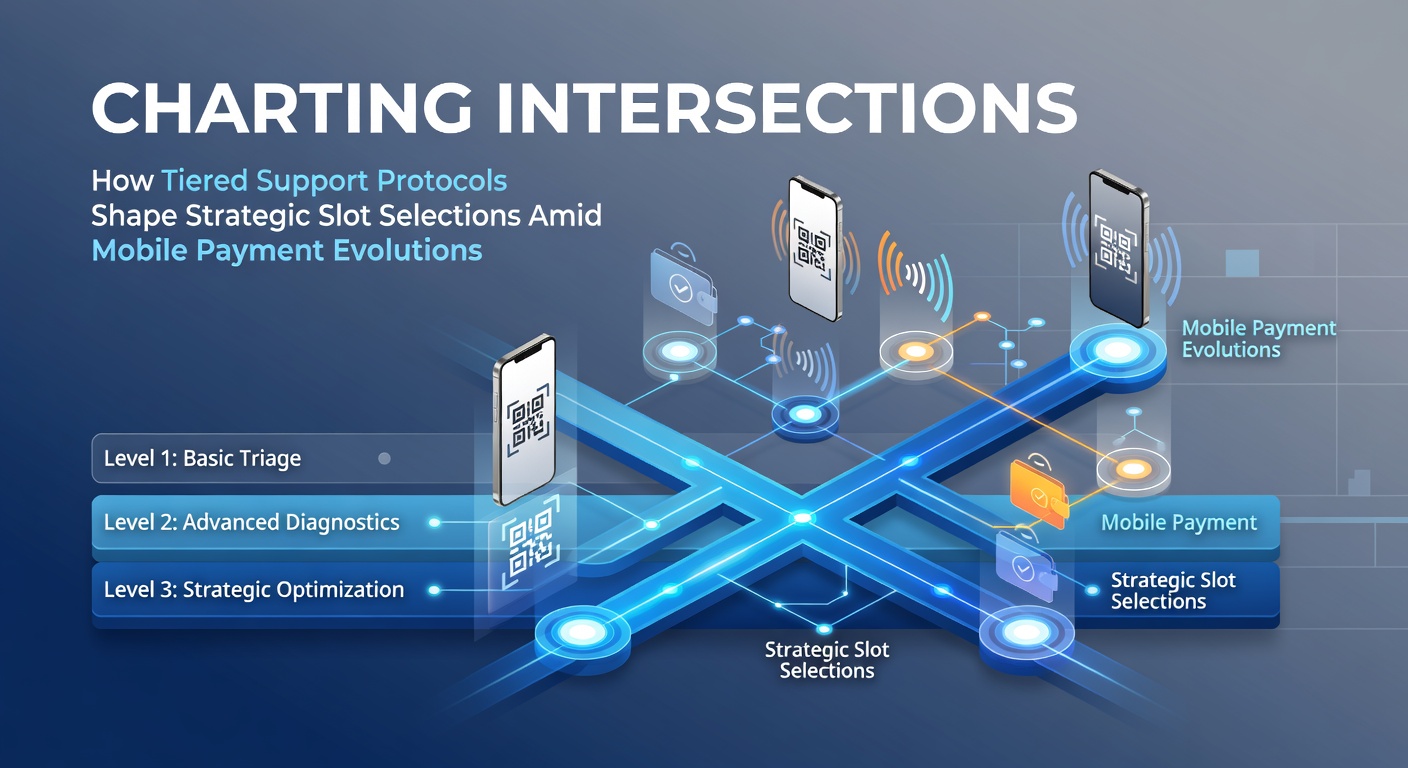
Operators have layered support structures that range from automated responses at entry levels to dedicated account managers for higher tiers, and these frameworks intersect directly with how players approach slot selections on mobile platforms while payment systems continue their rapid shifts.
Defining Tiered Support in Digital Gaming Environments
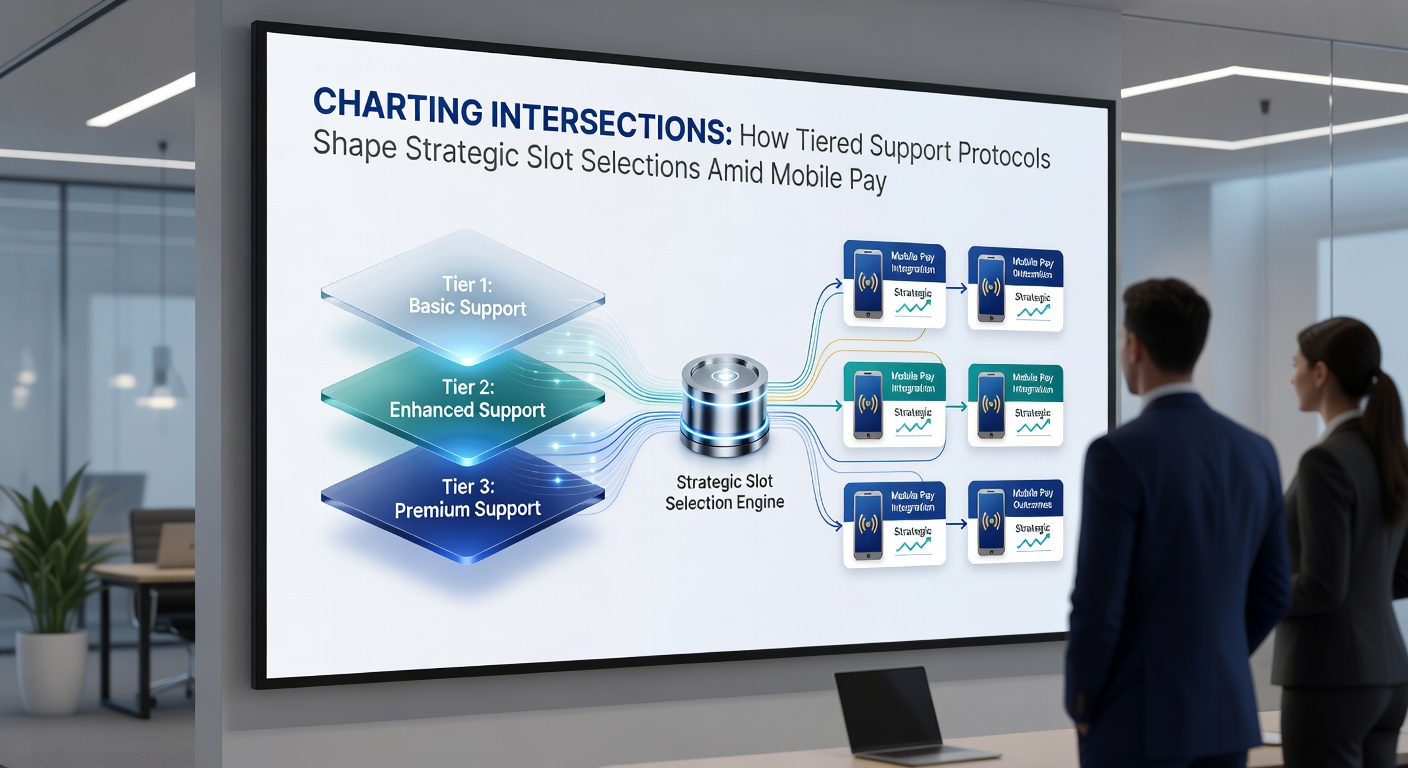
Support protocols divide into distinct categories where basic users receive standardized replies through chat bots or email queues, whereas mid-level accounts gain access to live agents during extended hours and premium participants secure priority routing plus personalized strategy guidance. Data from regulatory filings shows these divisions emerged prominently after 2023 as platforms scaled operations across multiple jurisdictions, and the structure influences decision-making because players at different tiers encounter varying degrees of assistance when troubleshooting payment-linked features or game mechanics.
Researchers at industry analytics firms note that response times drop from several hours at entry tiers to under fifteen minutes at top levels, creating measurable differences in how quickly participants resolve issues during active sessions. This gradient extends to slot-related queries as well, since higher-tier users often receive tailored recommendations on volatility settings or bonus trigger frequencies that lower-tier accounts must discover independently through trial and error.
Mobile Payment Systems Continue Their Expansion
Payment methods have moved beyond traditional cards to include instant bank transfers, cryptocurrency wallets, and region-specific digital currencies that integrate directly into casino apps. In May 2026 several platforms rolled out enhanced API connections allowing same-minute deposits from mobile banking apps in select European and North American markets, reducing friction that previously interrupted play sequences.
Transaction logs compiled by payment processors indicate average deposit completion times fell below eight seconds on optimized networks during the first quarter of that year. These accelerations matter because slot selections frequently depend on immediate fund availability, particularly when players chase time-sensitive promotions that require specific wager amounts within narrow windows.
Strategic Slot Choices Under Tiered Assistance
Players adjust their game preferences based on the support tier they occupy. Those with premium access tend to explore higher-volatility titles knowing that any technical glitch during a bonus round can be escalated quickly, while entry-level users gravitate toward lower-volatility options that minimize the chance of encountering unresolved issues. Observers tracking user behavior patterns across multiple operators report that mid-tier accounts show the widest variety in slot selections because they balance moderate assistance availability with growing familiarity of platform tools.
One documented case involved a cohort of users who shifted from classic three-reel games to multi-feature video slots after upgrading tiers and gaining access to direct line support for clarifying payline structures. The same study revealed that payment method preferences also diverged, with higher-tier participants adopting newer instant transfer options at nearly twice the rate of basic accounts during the same period.
Intersections Across Regions and Regulatory Frameworks
Regulatory bodies track these intersections through mandated reporting. Figures released by the New Jersey Division of Gaming Enforcement indicate that session lengths for premium-tier users extended by an average of twenty-two percent when combined with instant payment confirmations, while basic users maintained steadier patterns regardless of payment speed. Similar patterns appear in data shared by the Australian Communications and Media Authority, where tiered assistance correlated with increased engagement on progressive jackpot slots among verified higher-level accounts.
What's interesting is how mobile payment evolutions amplify these effects. Faster processing reduces the window during which a player might abandon a session because of a pending transaction, yet the benefit registers more strongly among users who already possess elevated support access. Lower-tier participants still encounter occasional delays when verification steps require manual review, limiting their willingness to test newer high-volatility releases.
Practical Examples From Platform Data
Take one operator that introduced a three-tier support model alongside expanded mobile wallet compatibility in early 2025. Internal metrics showed premium users increased their average number of distinct slot titles tried per month from four to seven within six weeks of the update, while basic accounts showed only marginal growth. The difference narrowed slightly after payment speeds improved across all tiers, suggesting that support access and transaction velocity interact rather than operate in isolation.
Another instance comes from a Canadian provincial site where researchers compared slot selection logs before and after tiered chat support launched. Higher-tier players demonstrated clearer preferences for games with complex bonus buy options once they could confirm payout calculations through dedicated representatives, whereas entry users stuck primarily to standard spin mechanics.
Conclusion
Tiered support protocols and mobile payment advancements together create distinct pathways that guide how participants navigate slot libraries. Evidence from regulatory reports and operator analytics demonstrates measurable shifts in game selection patterns that align with support level and transaction speed. As payment infrastructure continues integrating deeper into mobile ecosystems, these intersections will likely produce further refinements in how different user segments approach strategic choices on digital platforms.