Charting certification sequences from lab validations to live platform integrations across multi-jurisdiction networks
Quinn Koch · Jul 2, 2026
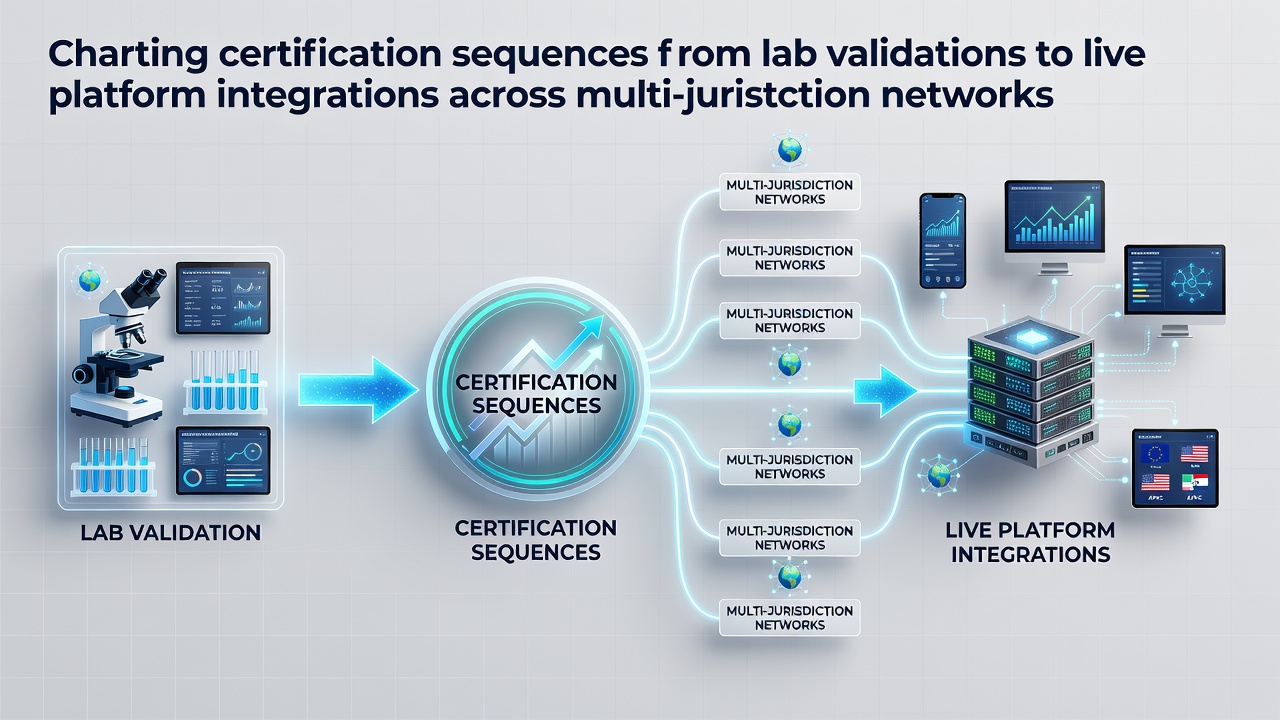
Charting certification sequences from lab validations to live platform integrations across multi-jurisdiction networks
Certification sequences in digital gaming platforms follow structured pathways that begin with laboratory validations and extend through live integrations on networks spanning multiple regulatory jurisdictions. These processes ensure software components meet technical standards before deployment, with labs performing initial assessments on elements such as random number generators and security protocols.
Initial Laboratory Validation Stages
Lab validations start with detailed examinations of core software modules where testing facilities evaluate algorithmic integrity through statistical sampling methods and source code reviews. Organizations like Gaming Laboratories International conduct these assessments using standardized protocols that measure output distributions against expected randomness criteria across thousands of simulated cycles.
Security evaluations run parallel to functional tests and include penetration analysis plus encryption verification for data transmission layers. Results from these phases feed into formal certification reports that regulators in various regions review before granting approval for further development stages.
Transition to Platform Integration Testing
Once lab validations conclude, sequences shift toward platform integration where certified modules connect with live operational environments through application programming interfaces. This phase examines compatibility across hardware configurations and operating systems while monitoring latency metrics during simulated high-volume transaction loads.
Multi-jurisdiction networks require additional mapping of compliance parameters because each regulatory body maintains distinct requirements for data handling and reporting formats. Integration teams therefore configure systems to accommodate variations such as those found in North American state frameworks alongside European licensing conditions.
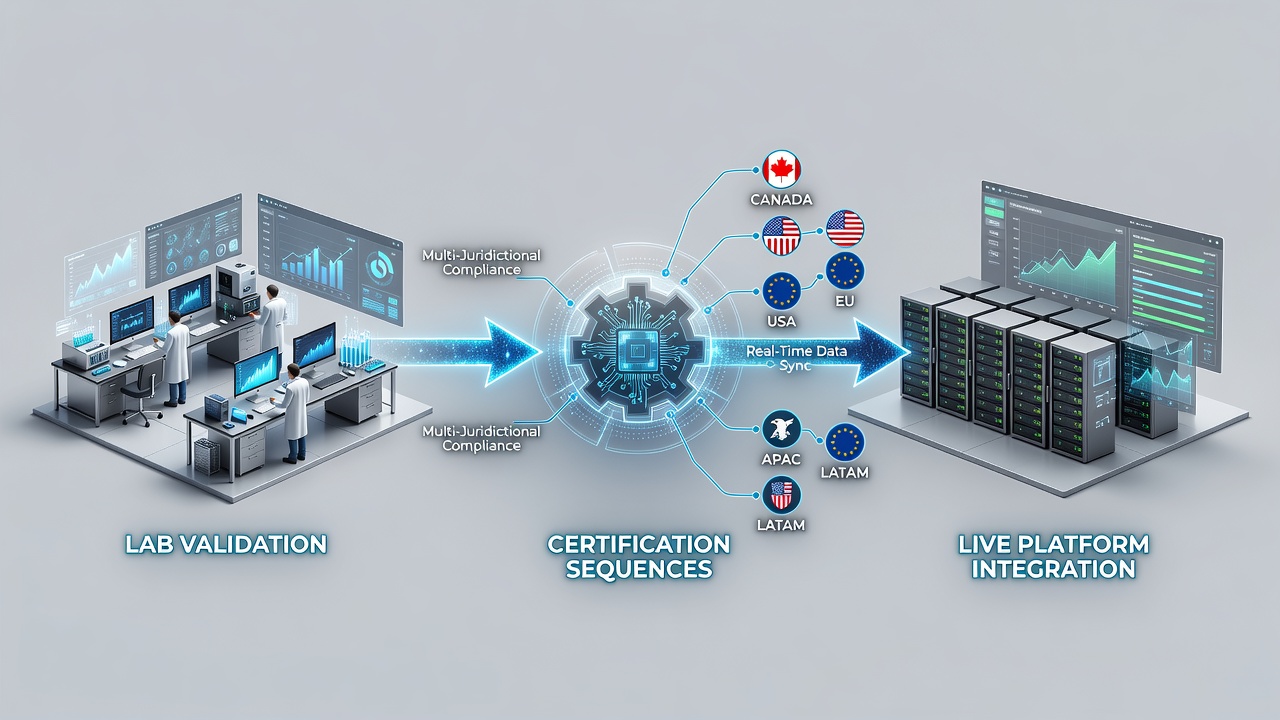
Cross-Border Compliance Mapping
Networks operating across jurisdictions coordinate certification timelines to align with staggered regulatory calendars. For instance, approvals secured in one region during early 2026 often trigger supplemental validations needed for neighboring markets where rules differ on audit frequency or third-party oversight.
Data from industry reports indicate that July 2026 marked several platform updates where previously validated components underwent re-certification after minor code adjustments for enhanced encryption standards. These adjustments addressed emerging interoperability needs between portable device ecosystems and centralized server clusters.
Live Environment Deployment Protocols
Deployment sequences incorporate staged rollouts beginning with controlled beta environments that replicate production conditions without exposing full user bases. Monitoring during this period tracks performance indicators such as transaction success rates and system uptime across distributed server nodes.
Regulatory bodies including the New Jersey Division of Gaming Enforcement and the Alcohol and Gaming Commission of Ontario publish guidelines that shape these deployment checkpoints. Observers note that successful transitions depend on documented evidence trails linking lab test outcomes directly to live operational logs.
Documentation and Audit Trails
Comprehensive records accompany every stage from initial validation through final integration to support ongoing audits. These trails include timestamps for each test iteration along with version control entries that prevent unauthorized modifications after certification.
Industry associations compile aggregated statistics showing average completion times for full sequences range from four to nine months depending on network complexity and the number of jurisdictions involved. Such figures come from collaborative reports produced by technical working groups within the sector.
Conclusion
Sequences that chart certification from laboratory validations to live platform integrations maintain consistency through methodical progression across multi-jurisdiction networks. Data collected at each checkpoint informs subsequent phases while preserving traceability required by regulatory frameworks in multiple regions. This structured approach supports reliable operations once platforms reach full deployment status.